


Tea Loaf Recipe: Baking With Strong Loose Leaf Tea
A classic British tea loaf recipe made with strong loose leaf tea: soak the fruit overnight, no butter needed, one bowl, one tin. Which tea…
Country, language & currency
or
By the Tealyra Tea Team · · 5 min read

In short: a cream tea is warm scones, clotted cream, jam and a pot of tea, and nothing else is required. Make or buy the scones, warm them for 5 minutes before serving, put the cream and jam on the table in their own dishes, and brew a pot of strong, bright black tea: 1 teaspoon (2.5 g) of loose leaf per 200 ml cup, 100°C, 3 to 4 minutes. Below: where the cream tea comes from, the Devon and Cornwall question, which teas suit it best and a plan that gets everything on the table while the scones are still warm.
A cream tea is the West Country's smaller, friendlier cousin of afternoon tea. There are no finger sandwiches and no three-tier stand. There are scones, clotted cream, jam and tea, served mid-afternoon, often after a walk. It started as a farmhouse and tea-room treat in Devon and Cornwall and spread across the country, so you now find it in National Trust cafés from Northumberland to Kent.
If you want the full stand with sandwiches and cakes, see our guide to afternoon tea at home. For a cream tea, keep it simple: the scones should be the star and the tea should be good enough to stand up to a spoonful of cream.
This is the one argument you cannot avoid. In Devon the scone is split, spread with clotted cream and topped with jam. In Cornwall the jam goes on first and the cream sits on top. Both sides are certain they are right. Our view: serve the cream and jam separately and let each guest build their own, which also keeps the peace at the table.
| Devon way | Cornish way | |
|---|---|---|
| Order | Cream, then jam | Jam, then cream |
| The case for it | Cream works like butter, jam shows on top | Jam soaks into the warm scone, cream stays thick |
| Jam of choice | Strawberry | Strawberry, often with a Cornish accent |
| Scone | Plain, sometimes a split | Plain, never fruit (officially) |
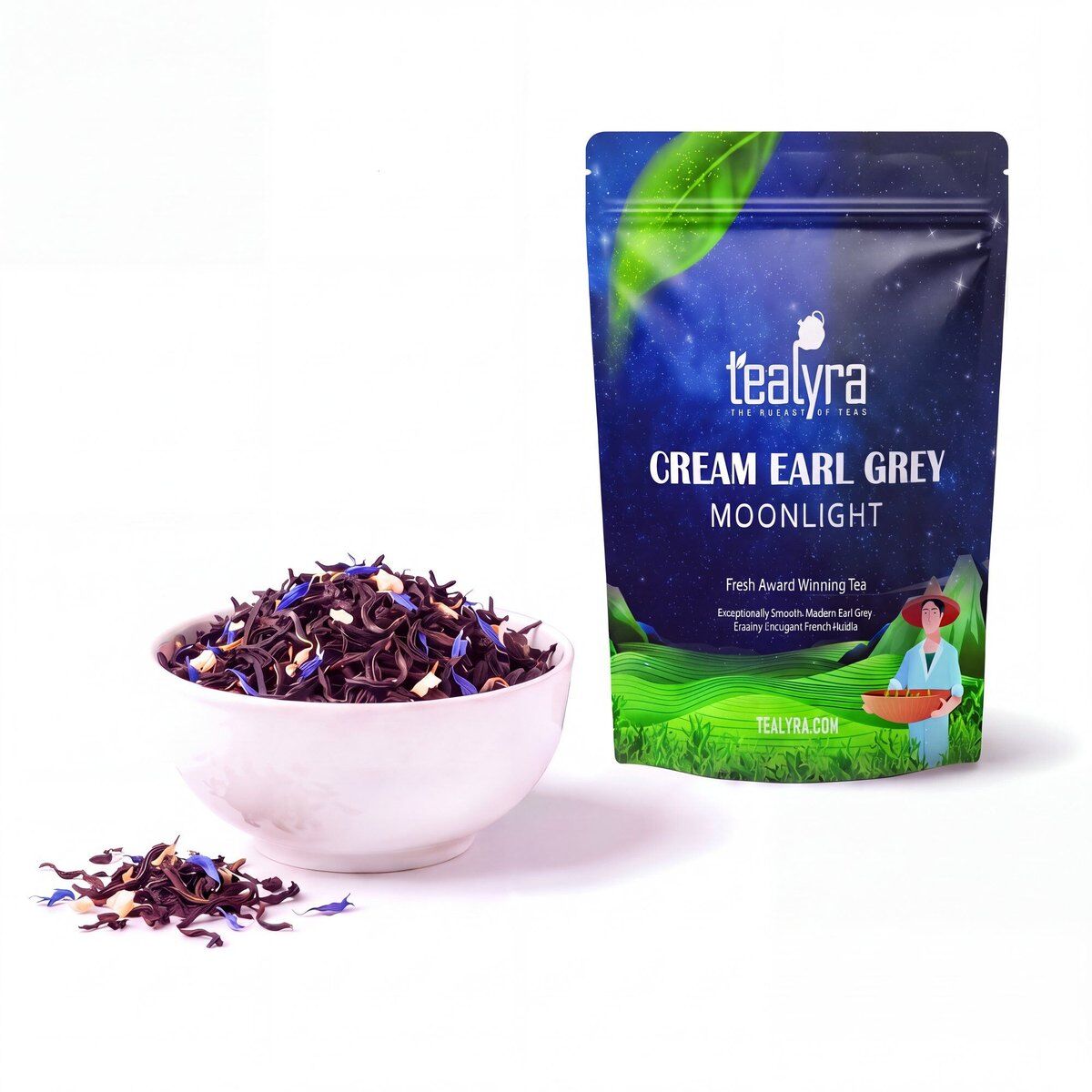
Clotted cream is rich and jam is sweet, so the tea needs to be brisk enough to cut through both. A light green tea or a delicate white tea disappears next to a scone. A good loose leaf black tea is the natural choice, and these three each bring something different.
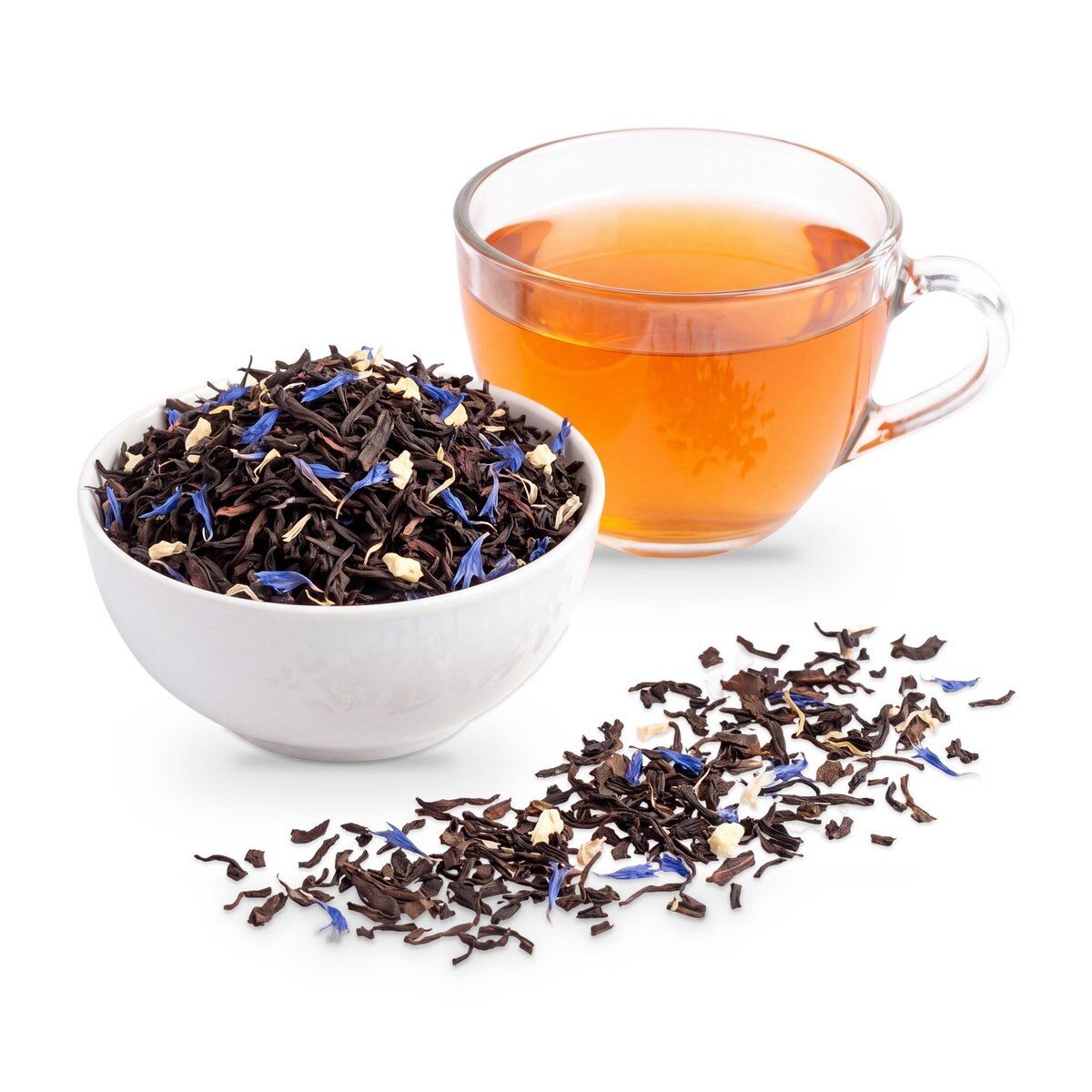
If your household drinks strong, milky tea, an Assam or an English Breakfast blend also works, and anyone who loves bergamot can pick from the whole Earl Grey range. Avoid smoky teas here: Lapsang fights with the cream.
| Time | Do this |
|---|---|
| 0 min | Take the clotted cream out of the fridge only when guests arrive; fill the kettle; lay out plates, knives, napkins |
| 5 min | Spoon jam and cream into small dishes, one set per two people |
| 15 min | Scones into a 160°C fan oven to warm |
| 20 min | Boil the kettle, warm the pot, measure the tea |
| 22 min | Pour water on the leaves, set a timer for 3 to 4 minutes |
| 26 min | Scones out and into a cloth-lined basket; tea decanted or infuser lifted |
| 30 min | Sit down. Argue about Devon and Cornwall. |
A cream tea is scones, clotted cream, jam and tea only. Afternoon tea adds finger sandwiches and cakes, usually on a tiered stand, and is a bigger, more formal spread.
You can, but it will not be a cream tea in the West Country sense. Clotted cream is thicker and slightly nutty from the slow heating. If you cannot find it, very lightly whipped double cream is the closest stand-in.
A brisk Ceylon is the safest choice because it suits milk and cuts through the cream. Cream Earl Grey adds vanilla and bergamot that pair naturally with strawberry jam, and a second flush Darjeeling is the pick if nobody takes milk.
Four 200 ml cups need 800 ml of water and 4 to 5 teaspoons (10 to 12 g) of loose leaf black tea, brewed at 100°C for 3 to 4 minutes.
Warm. Five minutes in a low oven brings back the fresh-baked texture and softens the cream slightly as it goes on. Hot scones melt the cream into a puddle, so let them stand for a minute first.
A classic British tea loaf recipe made with strong loose leaf tea: soak the fruit overnight, no butter needed, one bowl, one tin. Which tea…

Which loose leaf teas taste better with milk and which to drink plain, how much milk to add and when, plus brewing times and temperatures…

How to make a loose leaf tea advent calendar at home: what to buy, how much tea per day, 24 teas in a sensible order from breakfast blends…