


Decaf Tea for the Evening: Decaf Green, Rooibos and Herbal
Which tea to drink after 6pm: decaf green and black, rooibos and herbal infusions compared for taste and caffeine, with brewing times and…
Country, language & currency
or
The Tea Journal · Brewing Guides · Herbal Tea
By the Tealyra Tea Team · · 6 min read

In short: dried hibiscus flowers brew fast and strong. For a hot cup use 1 teaspoon (about 2 g) of whole dried flowers per 8 oz (240 ml) of water just off the boil, steep 5 minutes and sweeten to taste. For iced tea, cold brew 1 oz (30 g) in 1 quart (1 L) of cold water for 8-12 hours in the fridge, or make a double-strength hot brew and pour it over ice. The cup is deep ruby red, tart like cranberry, and naturally caffeine-free.
The "flowers" are actually the calyces, the fleshy red cups that hold the seed pod of Hibiscus sabdariffa. Once dried they keep for a year or more and need nothing but water. Below are the ratios, times and three classic preparations: a hot cup, a cold brew, and the Mexican agua de jamaica.
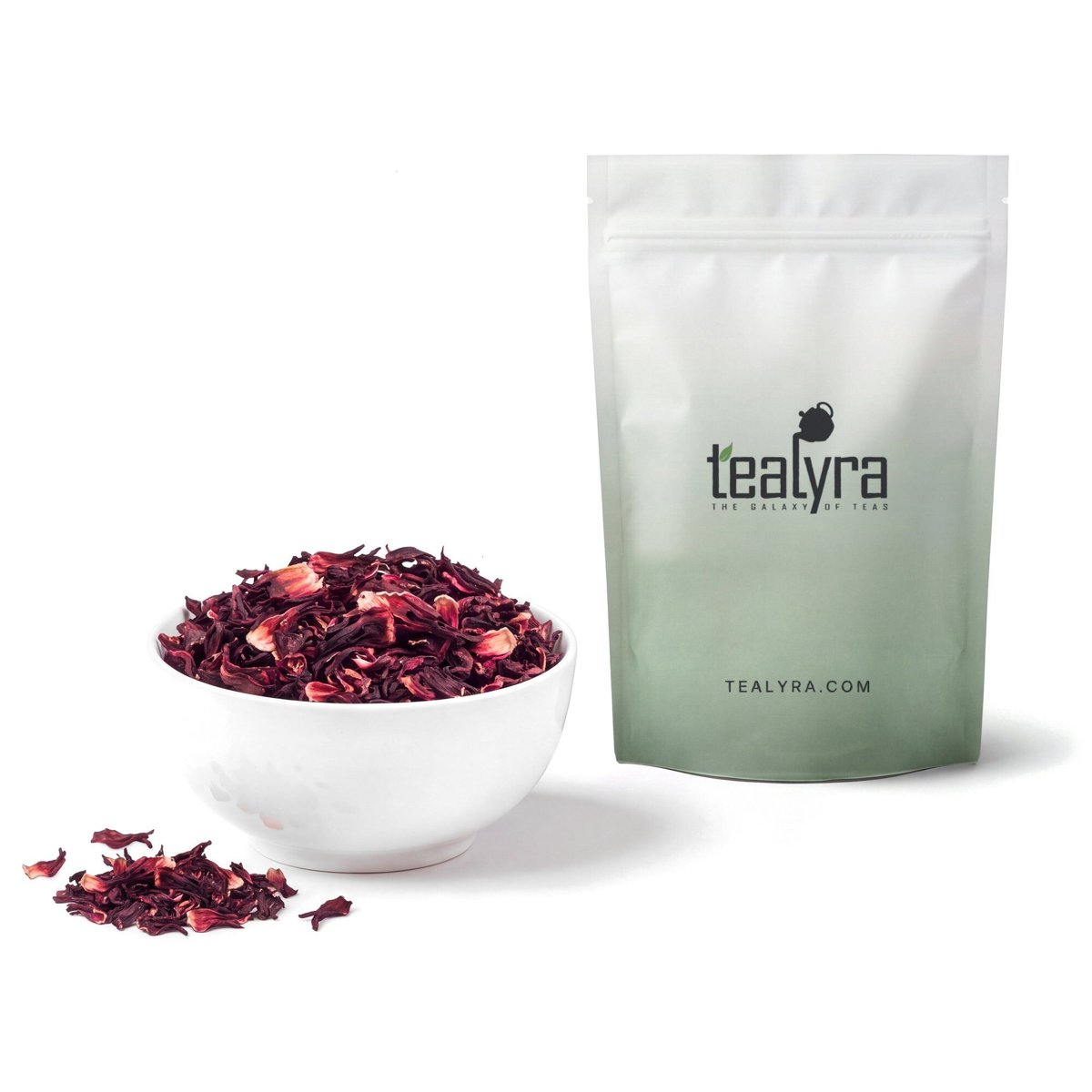
Dried hibiscus comes in two forms. Whole calyces look like curled crimson petals the size of a thumbnail; they are what you find in our Pure Hibiscus. Cut hibiscus is chopped into small flakes and is common in blends. Whole flowers give a cleaner, brighter cup and are easier to strain; cut hibiscus releases color faster and suits tea bags and infusers with fine mesh.
Either way, the dry flowers smell faintly of dried cranberry and plum. Taste one: it is sharp and sour, which tells you why hibiscus is almost always sweetened or blended. If you want a softer cup straight away, a blend such as Hibiscus and Rosehips rounds off the acidity with the jammy sweetness of rosehip.
| Method | Hibiscus | Water | Temperature | Time | Result |
|---|---|---|---|---|---|
| Hot cup | 1 tsp (2 g) | 8 oz (240 ml) | 200-212°F (93-100°C) | 5 min | Bright, tart, ruby red |
| Hot pot (4 cups) | 1 tbsp (6-8 g) | 32 oz (1 L) | 200-212°F (93-100°C) | 5-7 min | Same strength, serves 4 |
| Flash-chilled iced tea | 2 tsp (4 g) | 8 oz (240 ml) + a glass of ice | 212°F (100°C) | 5 min, then over ice | Ready in 10 minutes |
| Cold brew | 1 oz (30 g) | 32 oz (1 L) | Fridge, 38-40°F (3-4°C) | 8-12 hours | Smoother, less sour, very clear |
| Agua de jamaica concentrate | 2 oz (60 g) | 32 oz (1 L), then dilute 1:1 | Simmer | 10 min | Deep, sweet-tart, for pitchers |
Hibiscus does not turn bitter the way black tea does, so overstepping the time mostly makes it more sour. If a cup tastes harsh, use less leaf rather than less time; the color will still be vivid.
Hot additions that work: a slice of fresh ginger steeped with the flowers, a cinnamon stick, a strip of orange peel, or a few mint leaves dropped in at the end. A splash of apple juice in place of sugar gives a rounder sweetness.
Cold brewing is where dried hibiscus really shines. Because nothing is extracted by heat, the sourness is gentler and the drink is crystal clear with no cloudiness. Put 1 oz (30 g) of flowers in a 1-quart (1 L) jar or pitcher, fill with cold filtered water, cover and refrigerate for 8-12 hours. Strain through a fine sieve and keep chilled; it holds its flavor for 3-4 days.
If you are in a hurry, brew double strength instead: 2 teaspoons per 8 oz of boiling water for 5 minutes, then pour straight over a tall glass packed with ice. Both methods pair well with a squeeze of lime and a few berries, and both make a good base for a tea sangria. For a floral version, try Luscious Hibiscus Rose, which adds rose petals and a softer, perfumed finish.
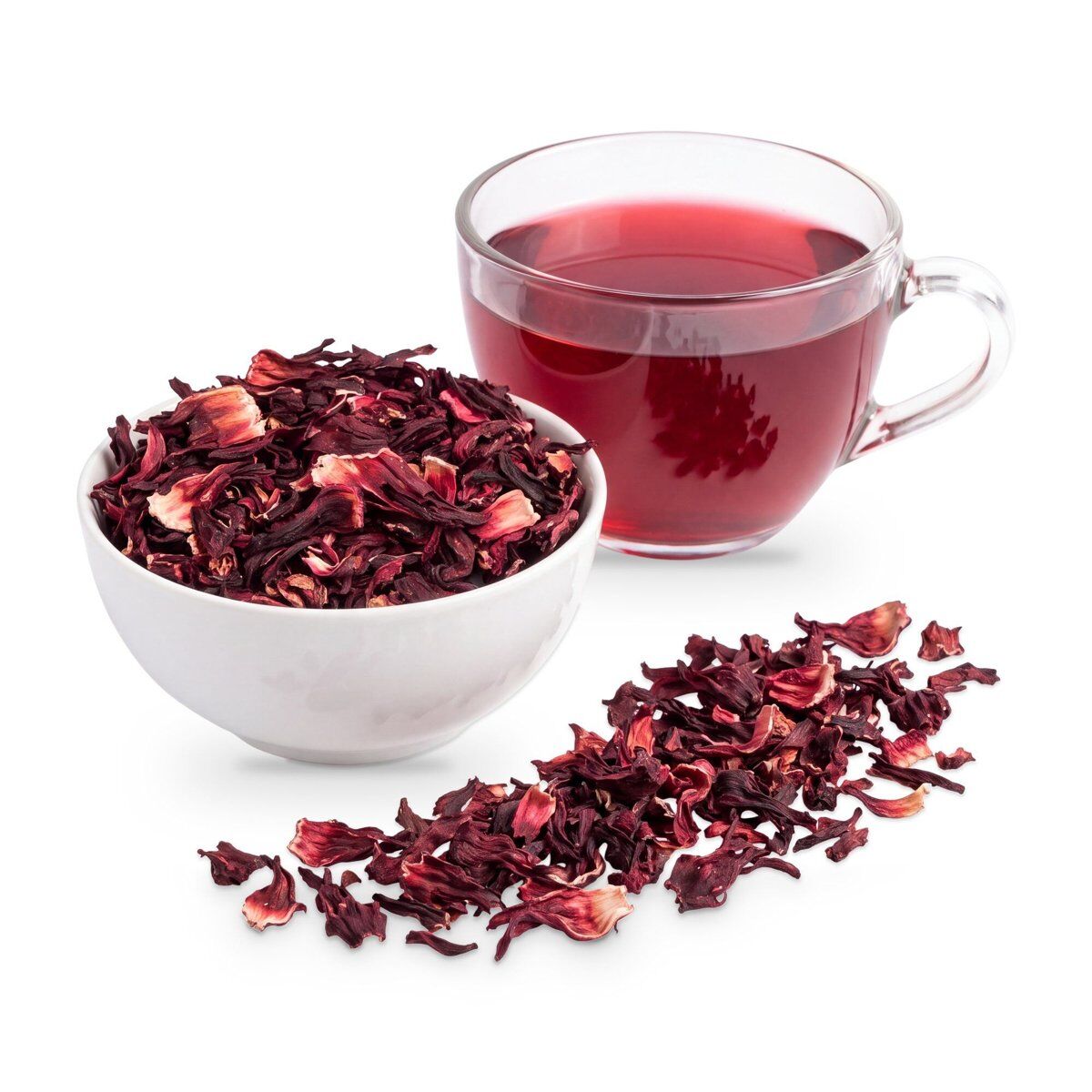
Agua de jamaica is the Mexican way: a simmered concentrate, sweetened and diluted into a pitcher. Simmer 2 oz (60 g) of dried hibiscus in 1 quart (1 L) of water for 10 minutes, take it off the heat and let it steep another 10. Strain, stir in 1/2 to 3/4 cup (100-150 g) of sugar while hot, then dilute with an equal amount of cold water and serve over ice with lime. It should taste bold and sweet-tart, somewhere between cranberry juice and lemonade.
Reduce the same concentrate by half with the sugar added and you have hibiscus syrup. It keeps 2-3 weeks in the fridge and goes into sparkling water, lemonade, mocktails and over vanilla ice cream. One tablespoon in a glass of soda water is enough.
Pure hibiscus is the backbone of most red fruit blends for a reason: it brings color, acidity and a clean fruit flavor without any caffeine. Browse our hibiscus tea selection or the wider herbal tea range for ready-made blends, and see our earlier guide to hibiscus tea flavor and how to choose it if you are picking your first one.
Keep the flowers in an airtight container away from light and heat. They stay bright and flavorful for 12-18 months; older hibiscus turns dull brown and brews a flatter, more woody cup. Brewed tea and cold brew keep 3-4 days refrigerated, syrup 2-3 weeks. The strained flowers from a cold brew can be simmered once more for a lighter second batch, or stirred into a fruit compote.
One teaspoon (about 2 g) of whole dried flowers per 8 oz (240 ml) of water for a hot cup. Use two teaspoons if you plan to pour it over ice, since the ice dilutes it.
Five minutes in water just off the boil gives a full ruby cup. Longer steeps make it more sour rather than bitter, so adjust the amount of flowers instead of the time if it tastes too sharp.
Yes, and it is the smoothest way to drink it. Use 1 oz (30 g) per quart (1 L) of cold water and refrigerate for 8-12 hours, then strain. The result is clearer and less tart than a hot brew.
No. Hibiscus is a dried flower calyx, not a tea leaf, so it is naturally caffeine-free. It only contains caffeine if it is blended with black, green or white tea.
You can, but the second cup is noticeably lighter. Hot-brewed flowers give one good steep and a pale second; cold-brewed flowers can be simmered briefly for a second, milder batch.
Which tea to drink after 6pm: decaf green and black, rooibos and herbal infusions compared for taste and caffeine, with brewing times and…

What is guayusa? How this smooth, naturally caffeinated Amazonian leaf tastes, how it compares with yerba mate, and how to brew it hot or…

Spearmint vs peppermint tea: how they differ in taste, aroma and caffeine (both are caffeine-free), how to brew each one and which mint tea…