We use necessary cookies to organize your personalized session, allowing you to add products you're interested in to your cart and place orders. Additionally, some of our cookies enhance the security of your personalized session. Also, we'd like to set cookies from analytics and statistics platforms to better understand our users and assess the effectiveness of our customer attraction efforts by collecting and reporting information on how you use our website.
You can always change your cookie preferences at any time by clicking on the Cookies settings link in the Account panel.
Clear customer dataDeletes this site's data from this browser: signs you out, empties the cart and resets language, currency and cookie choices. Useful on a shared computer.
* The % Daily Value (DV) tells you how much a nutrient in a serving of food contributes to a daily diet. 2000 calories a day is used for general nutrition advice.
Night Time Detox is a simple, caffeine-free herbal blend with no added flavorings, colors or preservatives. Pure hibiscus, peppermint, licorice, lavender, chamomile and valerian root come together in a unique, flavorful fusion designed as a sweet evening cup.
Hibiscus is super hydrating and naturally rich in vitamin C, making it a great alternative to sugary drinks. Licorice root adds natural sweetness to satisfy your sweet tooth. Chamomile, lavender, valerian and peppermint are classic evening herbs, loved for their floral, herbal and cooling notes.
Tasting Notes
Aroma: floral, with fragrant lavender and chamomile at center stage
Flavor: herbal and naturally sweet
Accents: tart hibiscus and cooling peppermint
Finish: full, sweet and ultra-satisfying
Why You'll Love It
Who knew such a simple blend could be so flavorful? Night Time Detox surprises with its fullness — herbal, sweet, cooling and satisfying — making it the perfect replacement for late-night snacks and sugary treats.
Floral chamomile, lavender and valerian
Naturally sweet licorice root
No added flavors, colors or preservatives
Naturally caffeine-free
How to Enjoy
Enjoy a warm cup in the evening, especially when sweet cravings strike, and let it help you unwind before bed. It's also refreshing iced.
Sweet, soothing and satisfying, Night Time Detox is a delicious way to end the day.
Contains licorice root and valerian root, which may cause drowsiness. If you are pregnant, nursing, have high blood pressure or take medication, please consult your healthcare provider before use.
Featured ingredients
Read moreClose
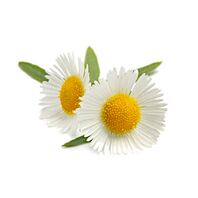
Chamomile
Chamomile is a small daisy-like flower native to Europe and Western Asia, prized for centuries in Egypt, Greece and Rome. The dried flower heads brew a mellow, golden cup with a sweet, honey-like, apple-tinged floral aroma. Chamomile is lovely on its own and blends beautifully with lavender, mint, lemon balm, rose, rooibos and vanilla. It is naturally caffeine-free, which makes it a long-standing favorite for an evening cup, especially with a touch of honey.
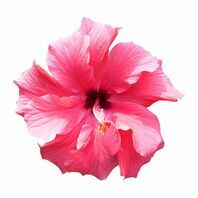
Hibiscus tea is made from the deep red calyces of the roselle flower, a tropical plant grown in West Africa, Egypt, Mexico and Southeast Asia. It brews a bold, tart, cranberry-like cup with a fruity tang and a stunning ruby-red color. Hibiscus is the backbone of many fruit and herbal blends, pairing beautifully with rosehip, orange, berries, ginger and cinnamon, and it adds zing to rooibos and black tea. In Mexico, chilled hibiscus tea known as agua de jamaica is a summer favorite.
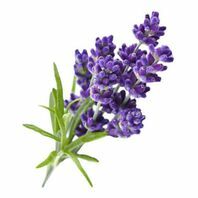
Lavender is a fragrant Mediterranean herb whose purple flower buds have long scented gardens and kitchens across Provence and southern Europe. In the cup it offers a sweet, floral aroma with gentle herbal notes of rosemary and mint, plus a slightly woody finish. It pairs beautifully with Earl Grey, black tea, chamomile, lemon, rooibos and other herbal blends. A little goes a long way, so blend it sparingly, and try a lavender cup with a splash of milk and honey for a cozy evening ritual.
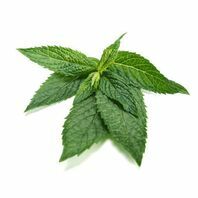
Peppermint is a natural hybrid of spearmint and watermint, native to Europe and the Middle East and now grown widely in places like Oregon and Washington. Its leaves brew a bold, cooling cup with a crisp, sweet, intensely minty aroma and a clean, lingering finish. Peppermint is wonderful on its own and pairs well with green tea, black tea, rooibos, chocolate, licorice and lemongrass. It is naturally caffeine-free as an herb, and it is equally refreshing hot after dinner or iced in summer.
Valerian is a tall flowering plant native to Europe and parts of Asia, and the part used in tea is the dried root. It has a strong, earthy, musky aroma that some compare to aged cheese or damp forest floor, with a woody, slightly bitter taste. Because its flavor is so bold, valerian is usually blended with lemon balm, chamomile, mint, lavender or orange peel in herbal blends. A spoonful of honey and a slice of lemon help round out the cup.
A quick look before it’s yours — from the first pour to the last sip.
Play video
Keep your curiosity brewing
more cups to discoverfrom
Plant-based tea bags
Our tea bags are made from PLA (polylactic acid), a bioplastic made from plant starch — most often corn, sometimes cassava, beets or sugarcane. Because it’s made from starch, it’s considered much safer for use with food and drink.
BPA- and phthalate-free — no endocrine disruptors in your cup
Petroleum-free and non-toxic
Compostable and recyclable
How quickly it breaks down depends on conditions like soil, sunlight and temperature.
Make it your kind of cup
ready, set, steep.
A great starting point. Adjust the strength to suit your taste.
011-1.5 TSP or 1 BAGScoop your leavesAdd tea to a roomy infuser or teapot.
0295°C200mlJust add waterPour water over the leaves at the suggested temperature.
034 - 6 minGive it a momentLet the tea steep, then remove the leaves.
04Your perfect cupSip and enjoyTaste it plain first, then make it your own.
01Double the leavesMake it boldUse twice your usual tea amount for a concentrated infusion.
0295°C200mlBrew it hotPour hot water over the leaves.
034 - 6 minSteep, then strainRemove the leaves after brewing.
04Pour over iceCool things downFill a heat-safe glass to the top with ice and pour the hot tea straight over it — the melting ice brings it to the right strength.
A little steeping tipStart at 4 min and taste — go up to 6 min for a fuller flavour. For a stronger cup, add a little more tea rather than steeping longer.
A fresh way to enjoy itSweeten while the tea is still hot so it dissolves. For a smoother, mellower glass, try cold brew: leaves in cold water in the fridge for 6–8 hours.
Details
Preparation:
Use 1-1.5 TSP or 1 BAG per 200ml of water at 95°C and steep for 4-6 min.
My favorite tea! It makes me feel very calm and tastes delicious!
Vteagal
August 2021
this tea is incredibly yummy, nevermind the medicinal purposes, i drink cup after cup because i love the juicy front notes and the round licorice back notes ♥ gorgeous tea
Adrienn Edwards
February 2021
Lovely flowery taste.
I Love Tea
September 2017
Sugar Detox has a very nice floral taste, it is tasty and helps with cravings.
See all 6 reviews
Mari Ansaldo
September 2018
Not my favorite but it's because of my personal preferences not any fault of the tea itself. Very fruity taste and quite red from the hibiscus in it. Starts and finishes strong. If you are a fan of hibiscus you will love this tea.
Amber Munday
March 2021
Fantastic if you love hibiscus but I was hoping for more of a relaxing bedtime tea. Tea was lovely just not really for me.